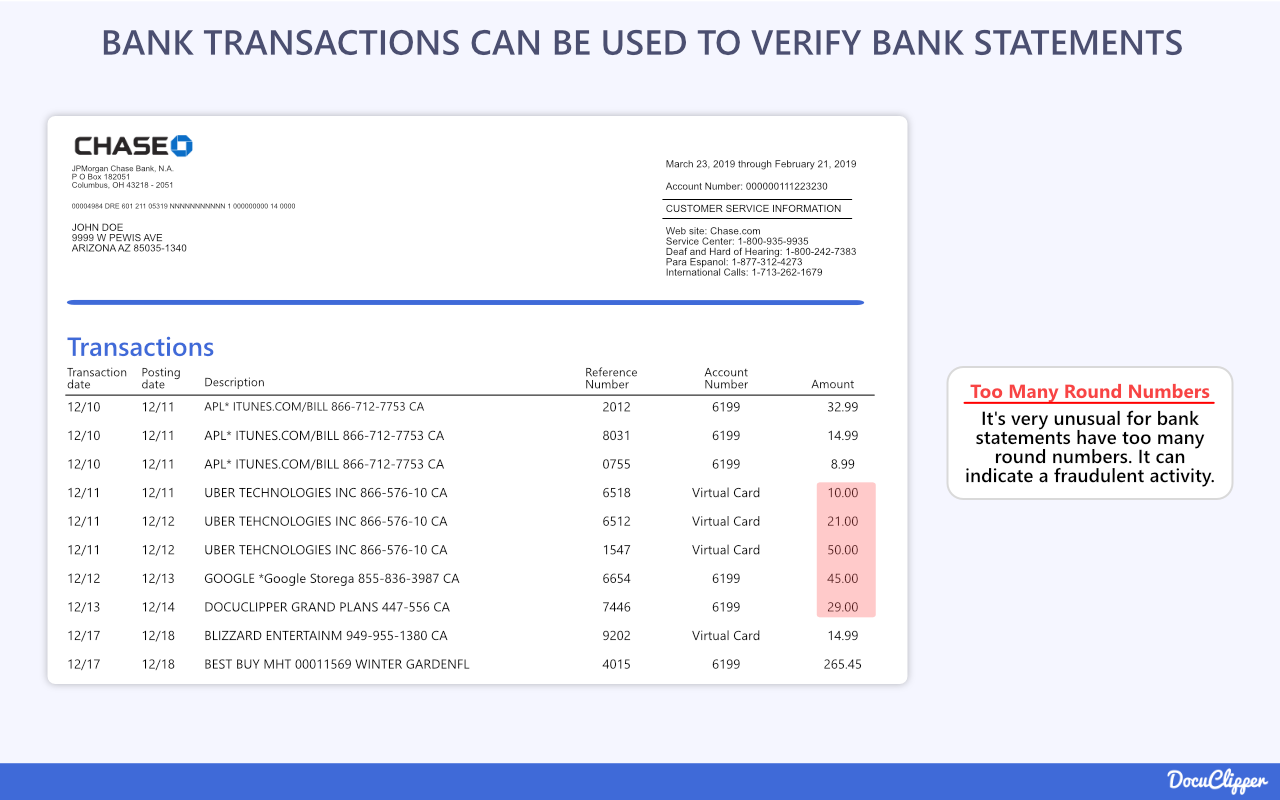
Starting June 1, 2026, a new regulation by the Tax Administration of Kosovo (ATK) has officially taken effect, prohibiting cash payments exceeding 2,000 euros for transactions between businesses and individuals. This policy requires that all such payments be processed through bank accounts or other verified electronic payment methods.
The initiative is designed to increase the formalization of the national economy and curtail the prevalence of the informal sector. By moving large financial transactions into the banking system, the government aims to ensure greater transparency and auditability.
Mixed Reactions on Implementation
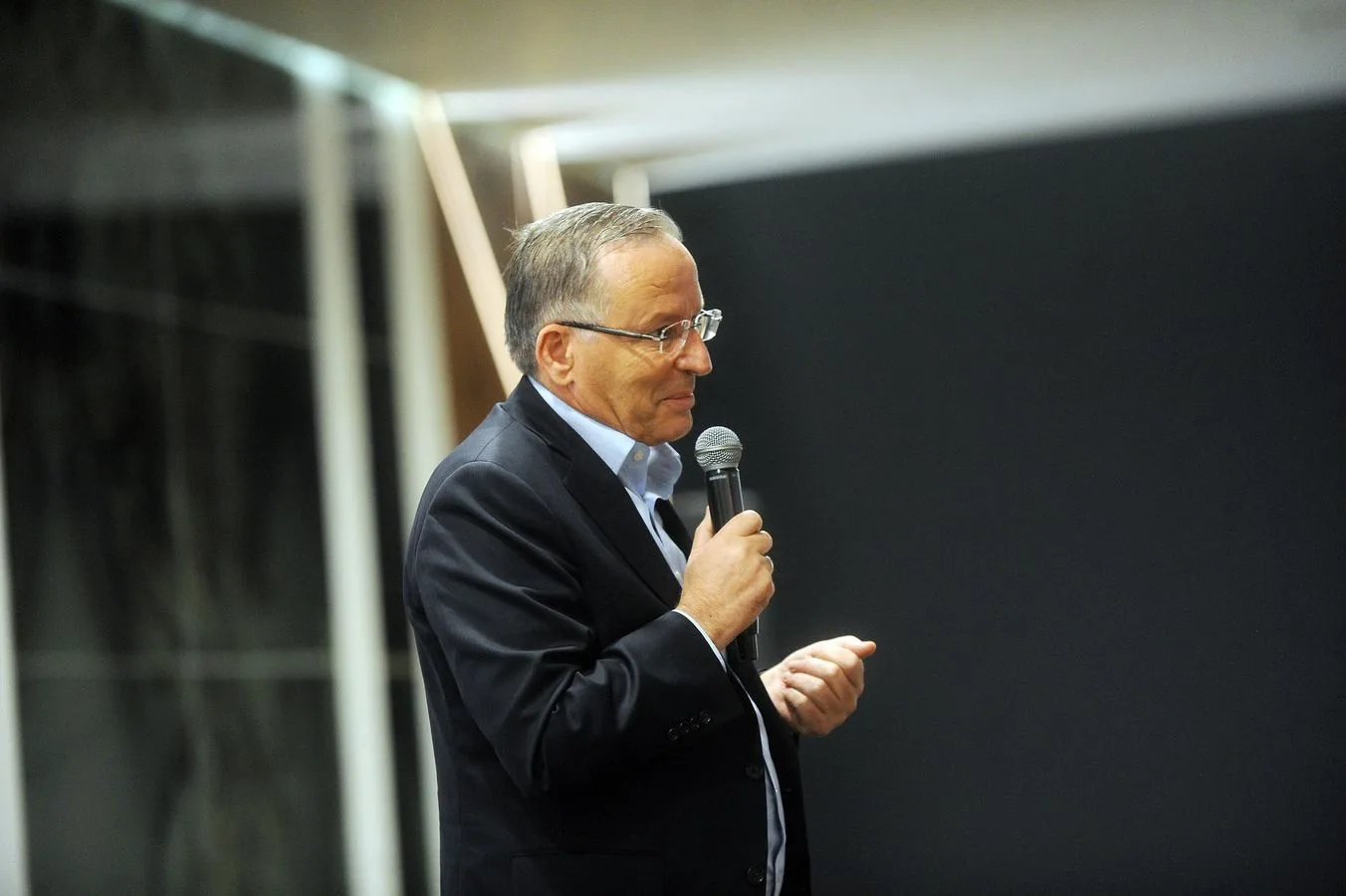
While the objective is widely supported by economic experts, the execution has faced scrutiny. Ilir Murtezi, former director of the ATK, expressed concerns regarding the timing and communication of the policy. He noted that the public was not sufficiently informed in advance, which he argues may weaken the measure's effectiveness and diminish the state’s perceived commitment to transparency.
"This is a legal mechanism that empowers the state to fight the informal economy," Murtezi stated. "However, the lack of timely public awareness campaigns makes it difficult for citizens to adapt, potentially undermining the seriousness of the initiative."
Legal Alignment and Future Challenges
Tax expert Sakip Imeri confirmed that the regulation is fully aligned with existing legislation governing tax administration procedures. He believes the move will significantly reduce the volume of physical cash currently in circulation.
However, the "Consumer" association, led by Selatin Kaçaniku, suggests that while the decision is a step in the right direction, it is not a cure-all. Kaçaniku emphasized that those accustomed to abusing the system are often "one step ahead of the law," suggesting that further, more comprehensive measures will be necessary to effectively address the root causes of the informal economy.
The ATK has officially advised citizens and businesses to adhere to the new limit to avoid potential penalties, reinforcing the message: "Do not pay cash above the allowed limit. Act according to the law."