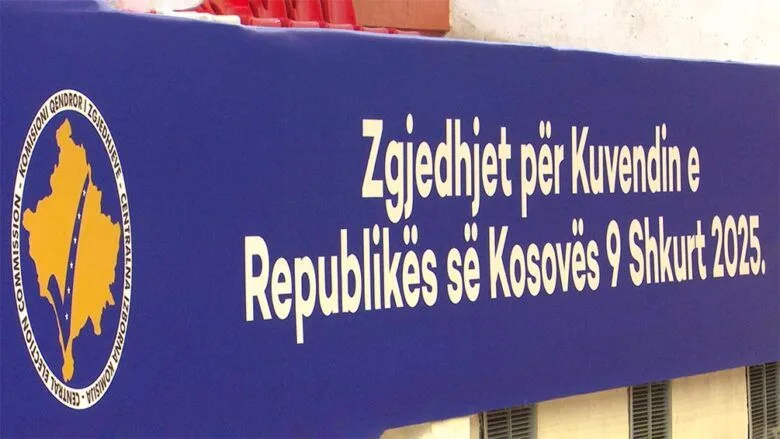
Democracy in Action (DnV) has released its initial analytical report on the first five days of the campaign for the June 7 parliamentary elections. While the process is described as generally calm and competitive, the organization has flagged significant challenges regarding electoral equity and the quality of public discourse.
Digital Hostility and Gender Bias
The report identifies a concerning trend of toxicity in the online space. During the observation period, 56 cases of hate speech, defamation, or disinformation were recorded. Alarmingly, nearly half of these instances specifically targeted women involved in the electoral race. Monitoring of 152 news portals revealed over 7,000 comments containing hate speech, highlighting a severe degradation of the online debate environment.
Inequality and Integrity Concerns
DnV raised alarms regarding the unequal nature of the race. The incumbent party has been accused of leveraging public resources, including government-sanctioned financial distributions, to gain an unfair advantage. Furthermore, the Central Election Commission (KQZ) faced criticism for allowing political parties discretion in appointing election commissioners, despite concerns that some individuals remain under investigation for misconduct during the December 2025 elections.
Campaign Dynamics
- Candidate Pool: There are 21 political entities in the race with 902 candidates. Women constitute 34% of the list, a figure that has seen little improvement since the last cycle.
- Digital Spending: Candidates have shifted heavily toward social media, with estimated Facebook sponsorship spending reaching up to 12,000 euros in just five days.
- Media Coverage: TV debates show a stark gender gap, with men occupying 80% of speaking time in debate formats, while news chronicles remain more balanced at a 60/40 split.
DnV also noted the use of minors in political rallies, which has already prompted two formal complaints to the Election Panel for Complaints and Submissions (PZAP). As the campaign progresses, the focus remains on whether these systemic challenges will be addressed to ensure a fair democratic process.