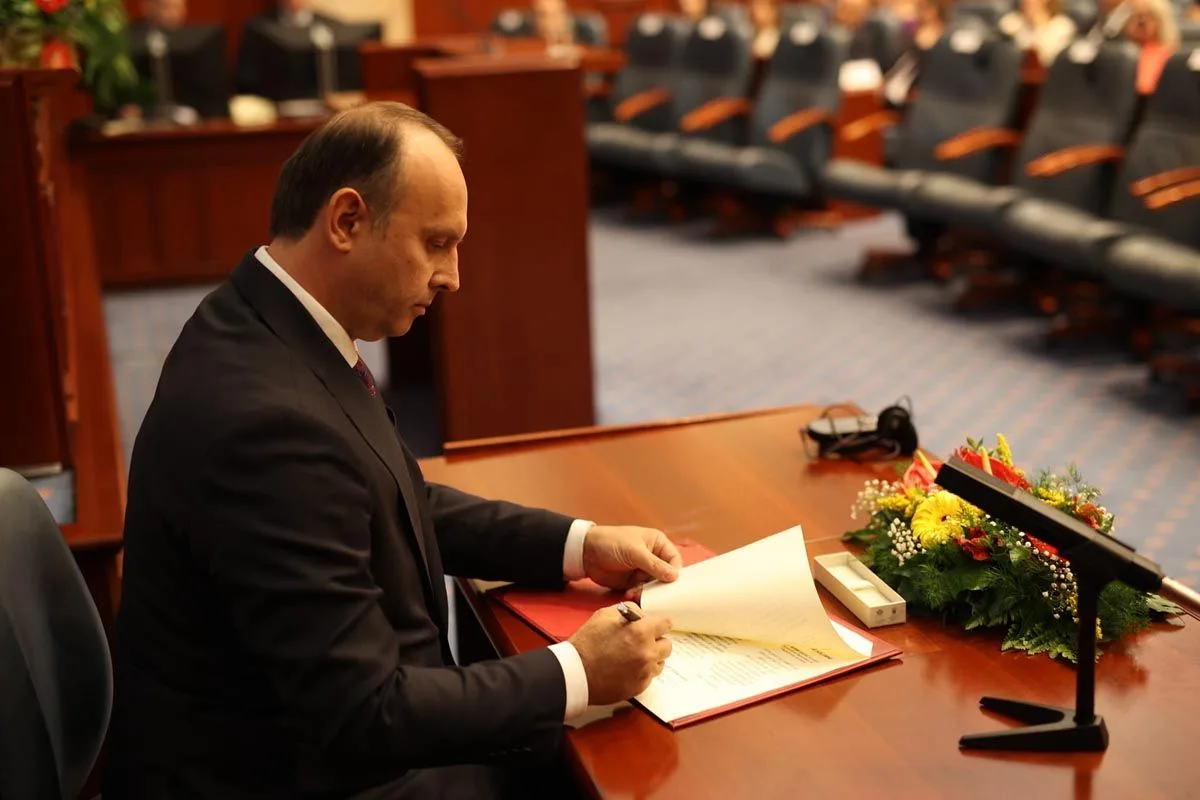
The Assembly of North Macedonia is moving forward with the legislative process for the Law on Adequate and Fair Representation, a pivotal piece of legislation aimed at ensuring equitable ethnic representation within the nation's public institutions.
The Role of the Committee
Afrim Gashi, President of the Assembly, announced on June 3, 2026, that the Committee on Inter-Ethnic Relations has been tasked with a critical procedural decision. The body must determine whether the draft law falls under the constitutional requirements that mandate the use of the Badinter principle—also known as the "double majority" vote.
"The committee will evaluate the scope of the law to ensure all constitutional procedures are respected, providing a clear path for its eventual vote in the plenary session," Gashi indicated.
Why the 'Badinter' Principle Matters
The Badinter principle is a cornerstone of North Macedonia's democratic framework, designed to protect the rights of non-majority ethnic communities. Its application carries significant weight:
- Double Majority Requirement: For laws affecting education, culture, and minority rights, the bill must pass both a general majority of all members and a majority of the non-majority community representatives.
- Consensus Building: The mechanism acts as a safeguard, preventing the majority from passing legislation that could adversely affect the status or rights of minority groups.
- Legal Legitimacy: If the committee concludes that the law requires this mechanism, the government must secure broader cross-party support, ensuring the law has the political legitimacy required for long-term implementation.