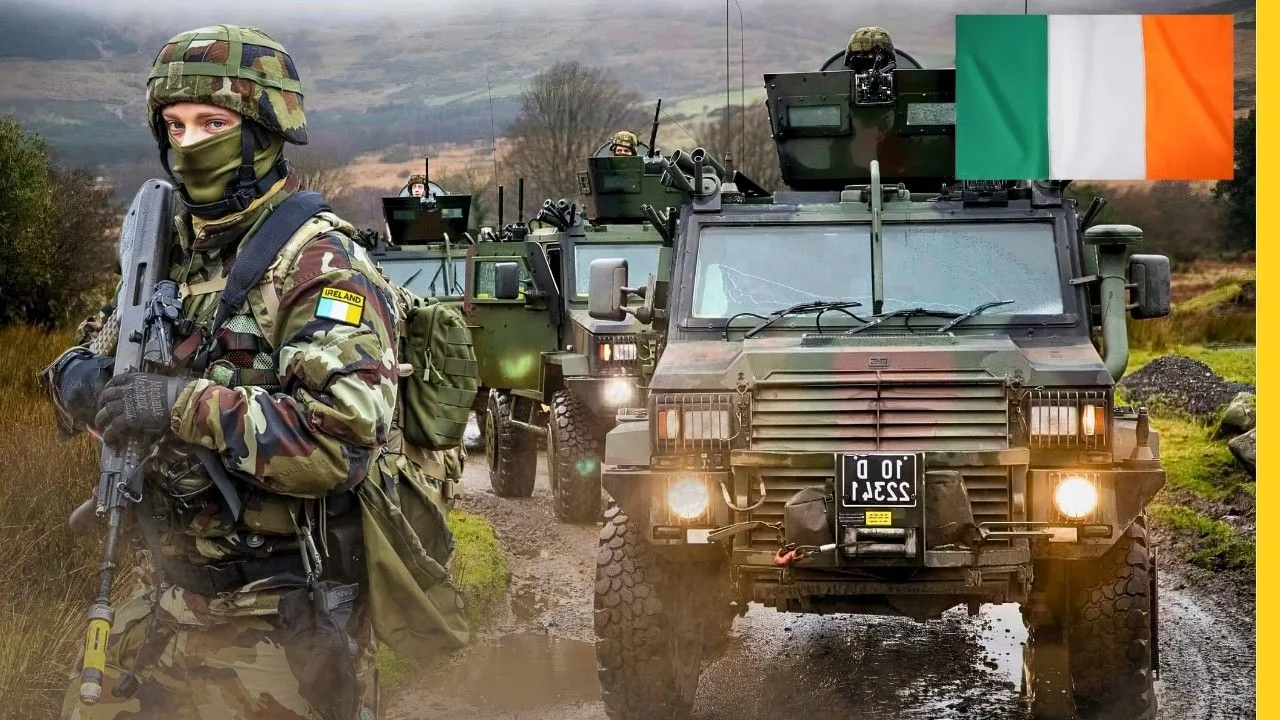
DUBLIN, Ireland — Long defined by a policy of military neutrality, Ireland is currently navigating a pivotal shift in its national security posture. As geopolitical tensions rise across the continent, Dublin is facing renewed scrutiny from European allies who have increasingly labeled the nation a "weak link" in the collective security architecture of the Atlantic.
A Modernization Mandate
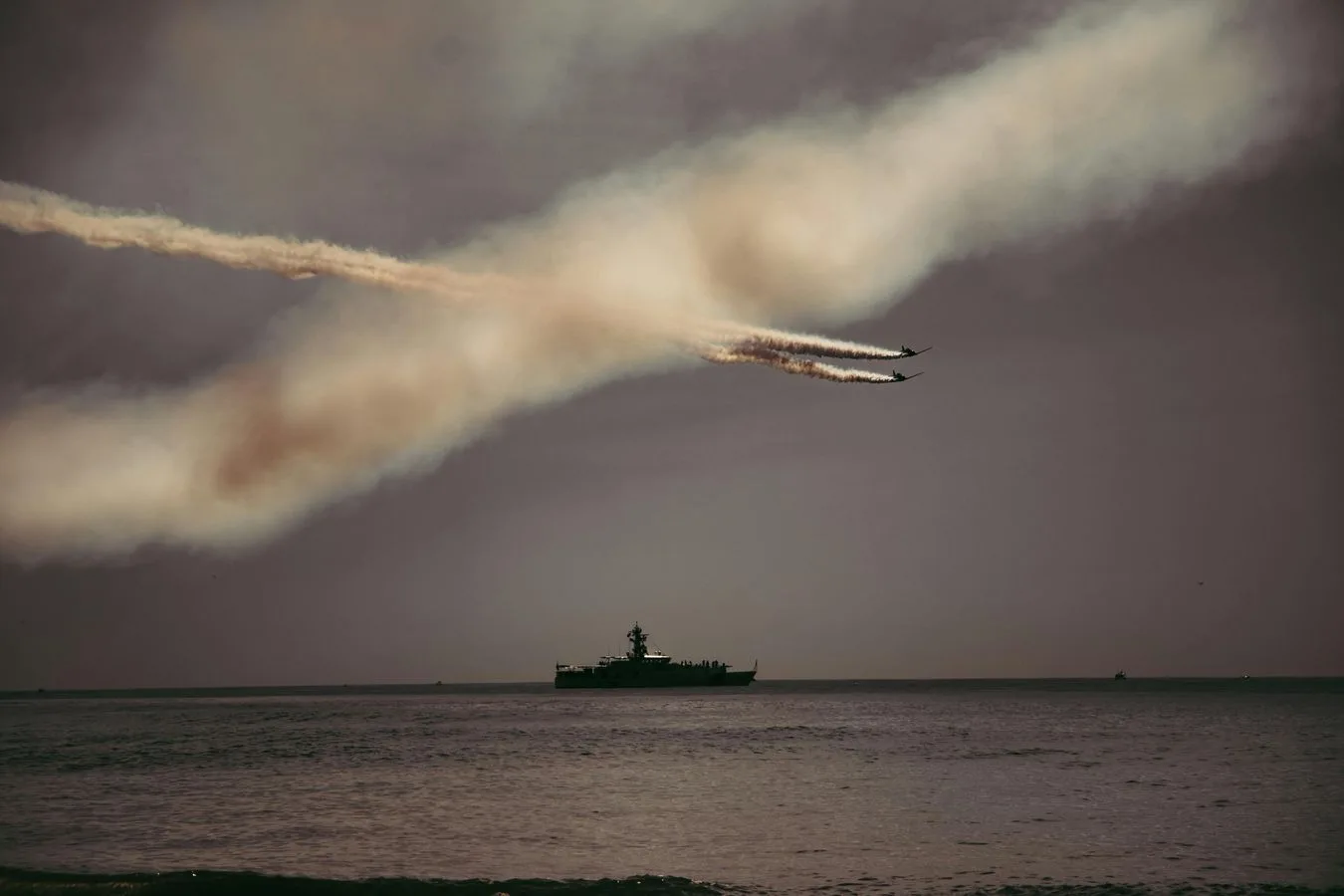
For decades, Ireland’s defense budget remained among the lowest in the European Union, prioritizing peacekeeping missions and domestic maritime patrol over conventional combat readiness. However, recent government initiatives signal a departure from this austerity. The state has begun investing in radar surveillance, cyber-defense infrastructure, and enhanced naval capabilities to better monitor its vast Exclusive Economic Zone.
"The security landscape of Europe has fundamentally changed. Ireland can no longer afford to remain a passive observer while our neighbors face mounting hybrid and conventional threats," noted a senior government official.
Challenges to Integration
Despite these efforts, the path toward a more robust defense is fraught with political complexity. The Irish public remains deeply attached to the tradition of non-alignment, making any move toward deeper integration with NATO structures a delicate balancing act for the current administration. As the country seeks to modernize, it must reconcile these historic values with the pragmatic requirements of 21st-century European security.