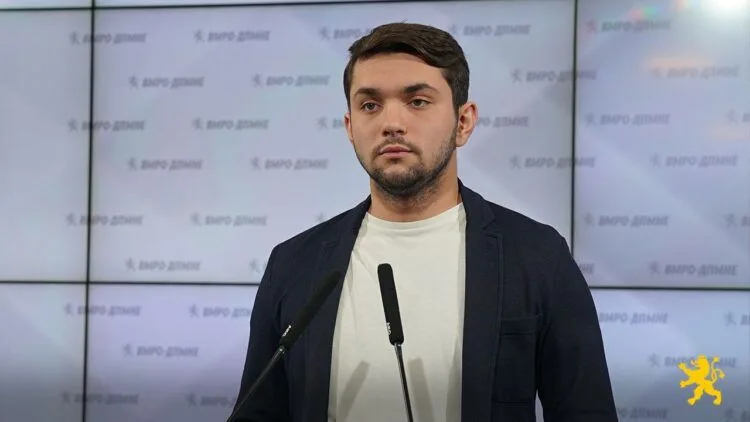
Todor Koneski, a member of the Executive Committee of the Union of Youth Forces (UMS) of VMRO-DPMNE, has underscored that while European Union membership remains a strategic goal for North Macedonia, the country must reject any accession process that demands national humiliation.
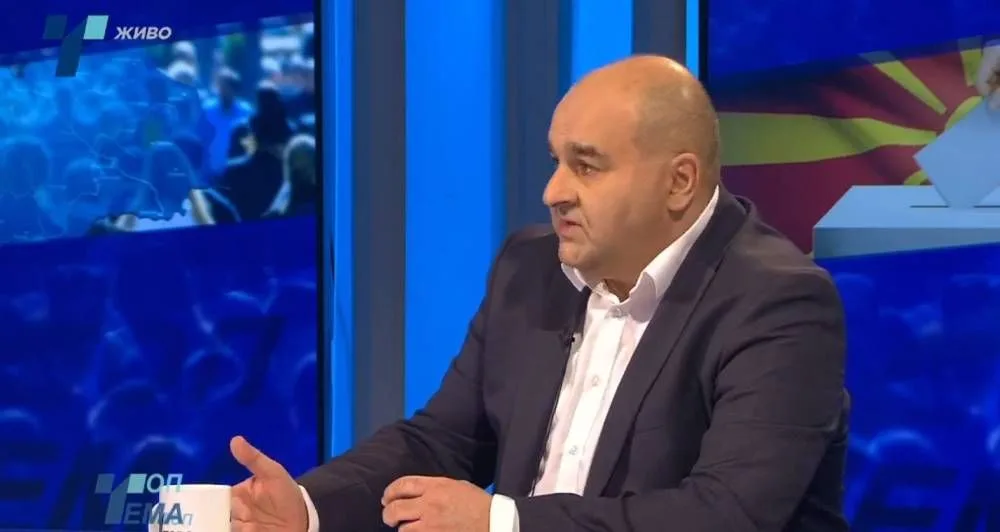
Speaking on the "Samo vistina" program on Kanal 5, Koneski addressed the ongoing deadlock regarding constitutional amendments, which are a condition set by Bulgaria for the continuation of EU integration. He argued that the current government is committed to reforms but insists that the process must be based on a broad national consensus that protects the Macedonian language, culture, and identity.
A Call for Dignified Integration
Koneski criticized the previous government, led by the SDSM, for past concessions that he claims were made without transparency or public support. He highlighted the name change agreement as a prime example of a process that failed to respect the will of the majority.
"We all fight for Macedonia as a full member of the EU, but some fight for a dignified membership, while others fight for a faceless Macedonia," Koneski stated. He added that the country must now stand firm on its "red lines" to prevent further erosion of national interests.
Bilateral Disputes and EU Precedent
Central to Koneski’s argument is the concern that the EU accession process has been unfairly "bilateralized" by Bulgaria. He noted that this sets a dangerous precedent, allowing a member state to leverage the integration process for individual national disputes.
Koneski emphasized that North Macedonia should demand:
- Clear guarantees from Bulgaria.
- Reciprocal recognition of rights.
- Full implementation of rulings from the European Court of Human Rights in Strasbourg.
Concluding his remarks, Koneski insisted that unconditional acceptance of the proposed constitutional changes would be a path of "indignity." He reaffirmed that the current government is focused on achieving EU membership through structural reforms, but only if the country avoids being on the losing side of an imposed bilateral dispute.