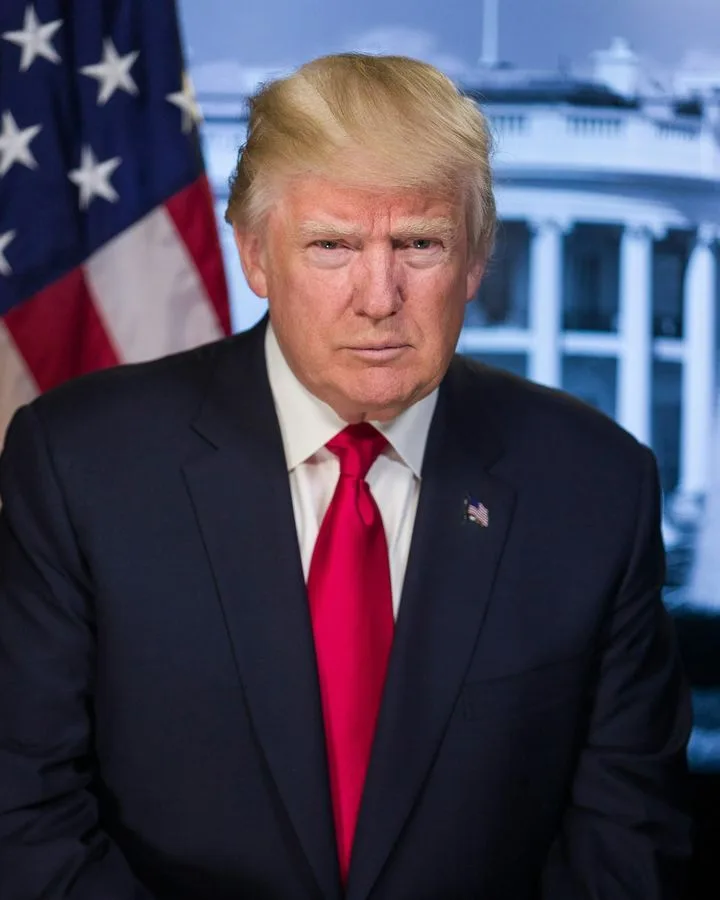
The fragile diplomatic rapprochement between the United States and Brazil, established just last month, has collapsed following a series of aggressive policy shifts from the White House. As of June 3, 2026, President Donald Trump has signaled a confrontational approach toward the administration of Brazilian President Luiz Inácio Lula da Silva, drawing sharp criticism from across the Brazilian political spectrum.
Economic and Security Tensions
The escalation is driven by two primary factors that have unsettled officials in Brasília:
- Tariff Threats: The U.S. has threatened to impose new tariffs on Brazilian goods, a move that threatens to destabilize the South American nation's economic outlook and places immense pressure on the Lula government.
- Unilateral Security Actions: The U.S. administration has taken direct, unilateral steps against specific criminal organizations within Brazil, bypassing standard bilateral security protocols. Brazilian lawmakers have denounced these actions as an infringement on national sovereignty.
A Shift in Diplomatic Posture
Analysts view these developments as part of a broader U.S. strategy to disrupt the influence of the BRICS bloc and force alignment with American foreign policy objectives. The appointment of Daniel Perez as the new U.S. Ambassador to Brazil, which occurred on June 1, 2026, is widely seen as a signal that Washington will pursue a more assertive, policy-driven agenda moving forward.
"The current actions by the U.S. administration represent a significant departure from established diplomatic norms, signaling a preference for pressure over partnership," noted one regional political analyst.
President Trump has also utilized public platforms to express preferences for specific political figures in future Brazilian electoral cycles. This rhetoric has been interpreted by many in Brazil as an attempt to exert influence over the country's internal democratic processes, further alienating the current leadership.