As diplomatic representatives from Israel and Lebanon convene in Washington for a new round of talks, the intensity of the conflict in the Middle East shows no signs of waning. The discussions, facilitated by the United States, aim to establish a framework for de-escalation in the broader regional war.
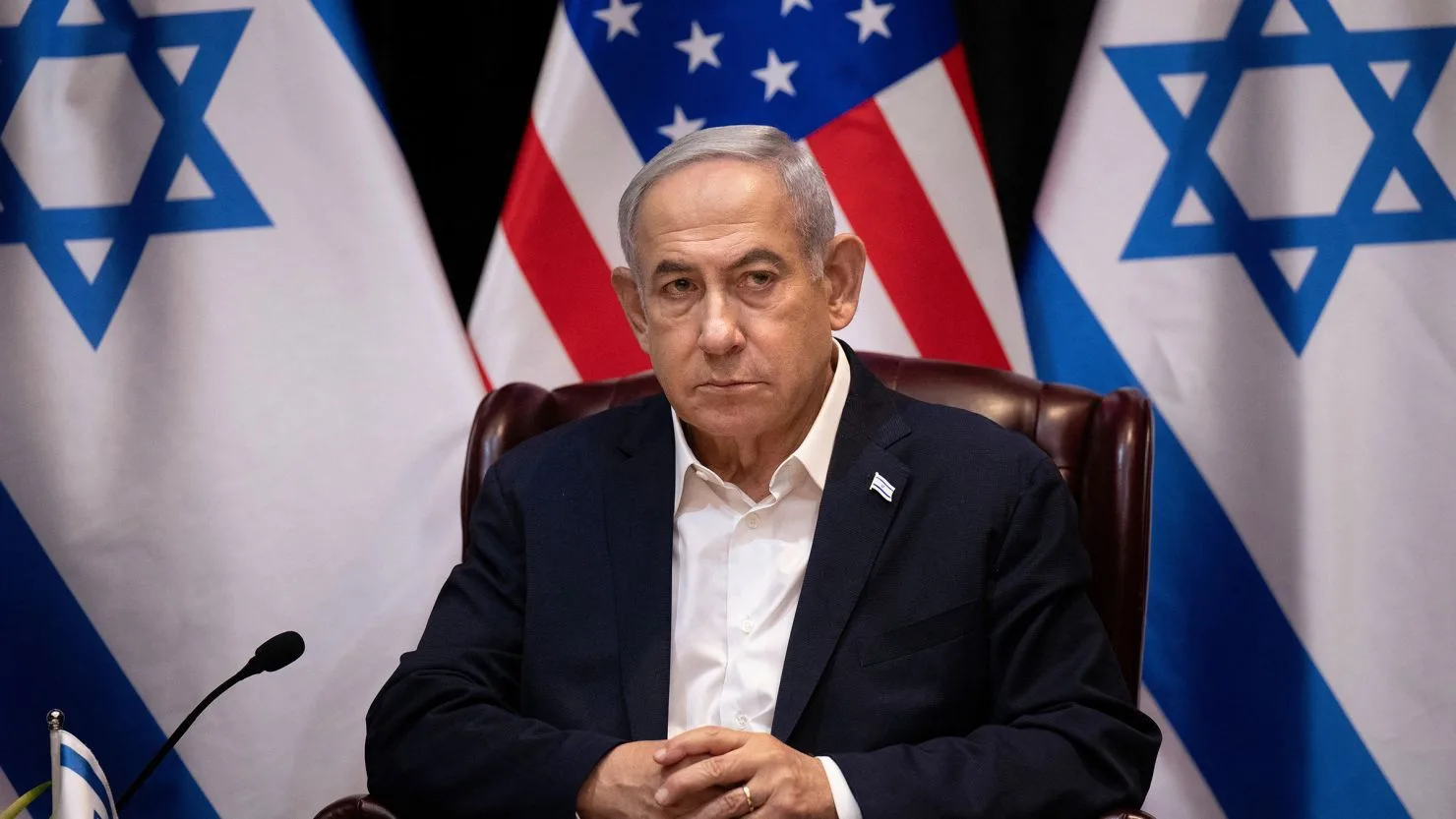
Despite the push for a ceasefire, Israeli Prime Minister Benjamin Netanyahu has vowed to continue the military campaign against Hezbollah. His administration insists that the security of Israel remains the primary objective and that operations will persist until the group ceases its cross-border attacks.
Key developments in the ongoing crisis include:
- Washington Negotiations: Officials are currently working on a phased de-escalation plan that would require Hezbollah to halt its rocket and drone strikes.
- Military Pressure: Israel continues to conduct targeted strikes against Hezbollah positions, signaling that diplomatic talks will not result in a unilateral suspension of hostilities.
- Regional Stakes: The conflict, which has been active since February 2026, remains a volatile component of the wider regional tensions involving Iran.
The international community remains cautious as the parties attempt to find common ground. Analysts note that the dual-track approach—combining high-stakes diplomacy in Washington with active combat—leaves little room for immediate resolution.