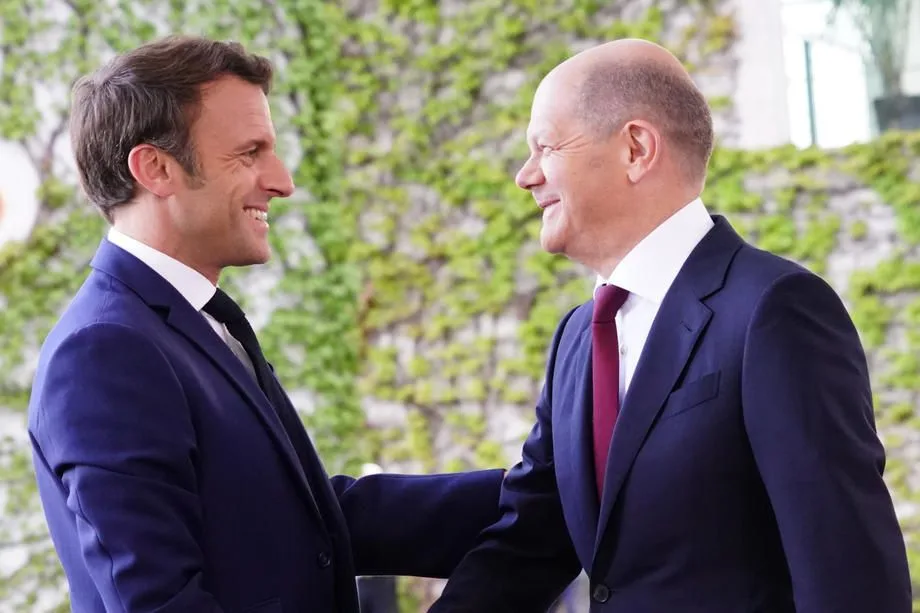
BERLIN, Germany — In a significant shift toward regional integration, Germany and France have jointly introduced a new framework for European Union enlargement, specifically targeting the Western Balkans. The proposal, discussed by Chancellor Olaf Scholz and President Emmanuel Macron, seeks to overcome the persistent stalemate in the accession process by introducing a more flexible, multi-speed integration model.
A Tiered Approach to Integration
The proposed model moves away from the traditional "all-or-nothing" accession track. Instead, it suggests a phased integration where candidate countries can gain access to specific EU policies, funding, and single-market benefits as they meet key reform benchmarks, rather than waiting for full membership.
"The goal is to create a dynamic process that rewards tangible reforms with real-world European benefits, ensuring that the path to Brussels is both visible and attainable for our partners in the Balkans," noted a joint statement released by the two leaders.
Strategic Implications
This initiative comes at a time of heightened geopolitical urgency, with the EU looking to solidify its influence in the region amidst growing external pressures. While the proposal aims to incentivize democratic and economic reforms, it remains to be seen how the candidate countries and other EU member states will respond to this structural evolution of the enlargement policy.