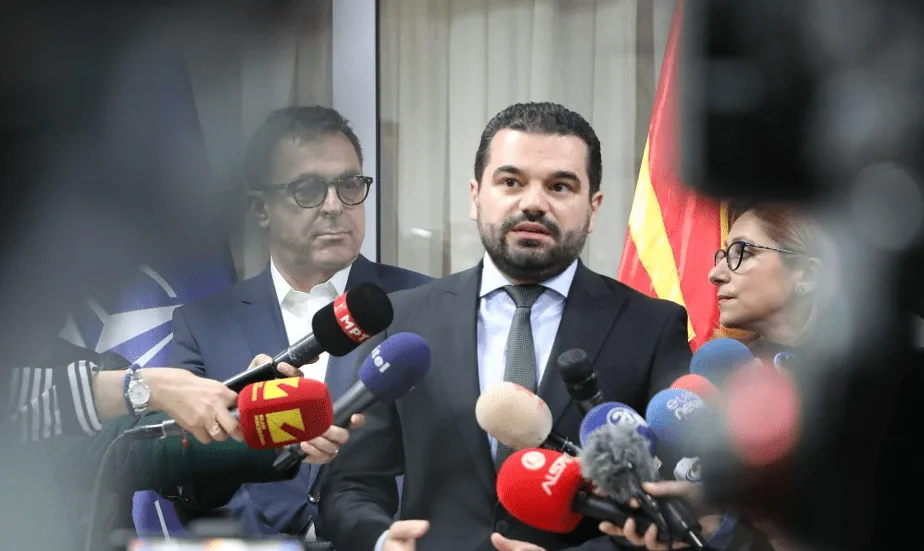
The political debate surrounding the institutional protection of ethnic communities in North Macedonia intensified on Wednesday evening. Krenar Lloga, the former Minister of Justice, publicly dismissed the latest legislative proposal for the 'Law on Fair Representation,' arguing that it fails to uphold the standards required for equitable representation in public administration.
A Contested Framework
Following the 2024 Constitutional Court ruling that abolished the 'Balancer' mechanism—a tool previously used to manage ethnic employment quotas—the current government coalition, known as VLEN, has sought to implement a new legal framework. However, the proposal has faced significant backlash from opposition figures.
Lloga, an official from the Alliance for Albanians (ASH), characterized the new draft as a "seal of submission." His primary concerns include:
- Weakened Standards: He argues the current text ignores previous drafts developed in consultation with European Union experts.
- Ineffective Oversight: The proposal introduces a "Coordination Body" within the government, which Lloga criticized as a tool for political manipulation rather than a substantive mechanism for equality.
- Constitutional Doubts: Opponents fear the law lacks the necessary depth to replace the constitutional protections previously afforded by the Ohrid Framework Agreement.
"There is nothing new here; on the contrary, it is a regression. It is a structure designed for political control, not for ensuring the fair and adequate representation of all citizens in state institutions," Lloga stated during his public commentary.
The Path Forward
The government maintains that the legislation is necessary to fill the legal vacuum created by the court's decision. However, the opposition, including the Democratic Union for Integration (BDI), warns that if the law is passed in its current form, it could permanently undermine the institutional rights of non-majority communities. As of June 3, 2026, the proposal remains a central point of friction, reflecting the ongoing struggle to balance political governance with the constitutional mandates of a multi-ethnic state.