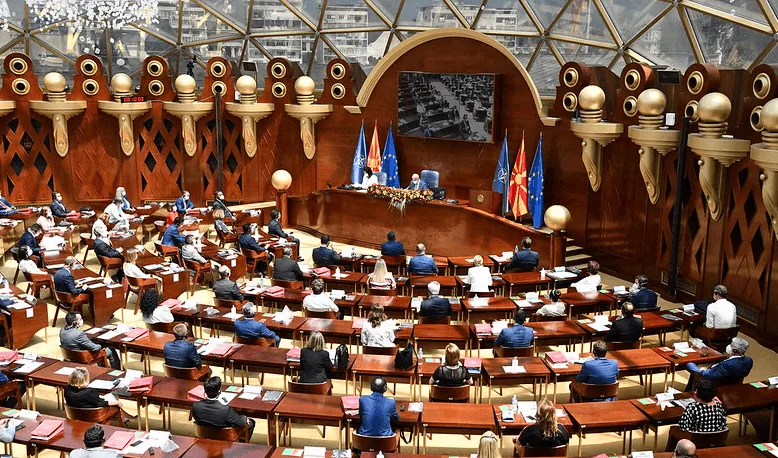
The Assembly of North Macedonia in Skopje, North Macedonia, has become the site of a fierce political standoff. Lawmakers are currently debating new legislation designed to replace the 'Balancer,' a tool previously used to ensure equitable ethnic representation in public sector hiring.
The constitutional status of the Balancer became a flashpoint after the Constitutional Court moved to abolish the mechanism. The Court argued that the system, while intended to support the Ohrid Framework Agreement, had frequently been manipulated to prioritize ethnic affiliation over individual professional merit.
Supporters of the new legislative proposal argue that a fundamental shift is necessary to professionalize the public administration. They contend that the reforms will reduce political patronage and align the country's civil service standards with those of the European Union.
Conversely, opposition parties—particularly those representing ethnic minority communities—have raised strong objections. They fear that the removal of the Balancer undermines the hard-won protections for equitable participation in state institutions, potentially threatening the stability of the country's multi-ethnic framework.
The ongoing debate highlights the difficult balance North Macedonia must strike. Legislators are under pressure to satisfy EU-mandated reforms regarding administrative integrity while simultaneously maintaining the delicate social contract that has governed the nation for decades.