Current Diplomatic Reality
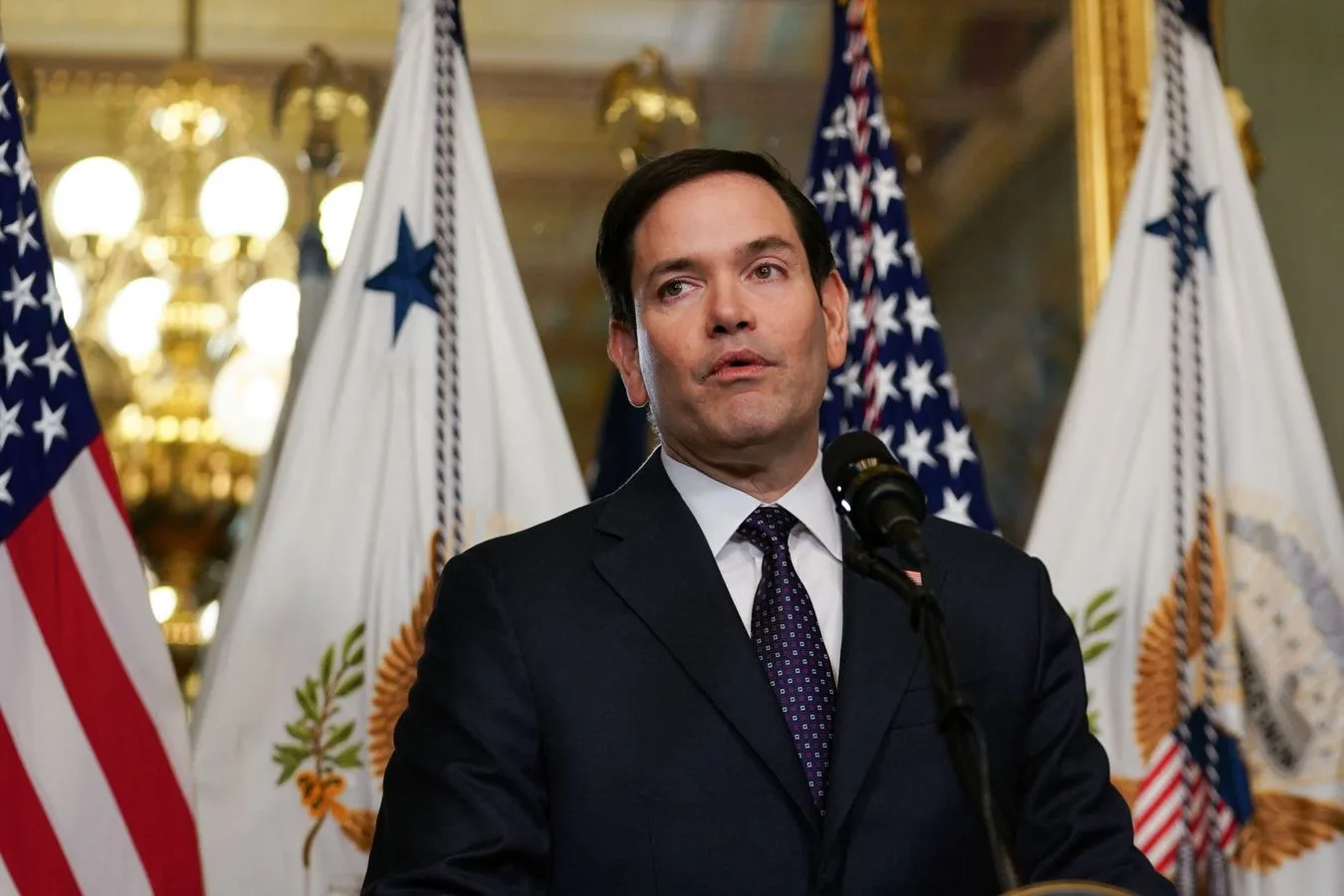
U.S. Secretary of State Marco Rubio has clarified the current diplomatic stance regarding Kosovo’s aspirations to join the North Atlantic Treaty Organization (NATO). In recent congressional testimony, the Secretary confirmed that the issue of Kosovo's accession is not currently on the agenda of the alliance's member states.
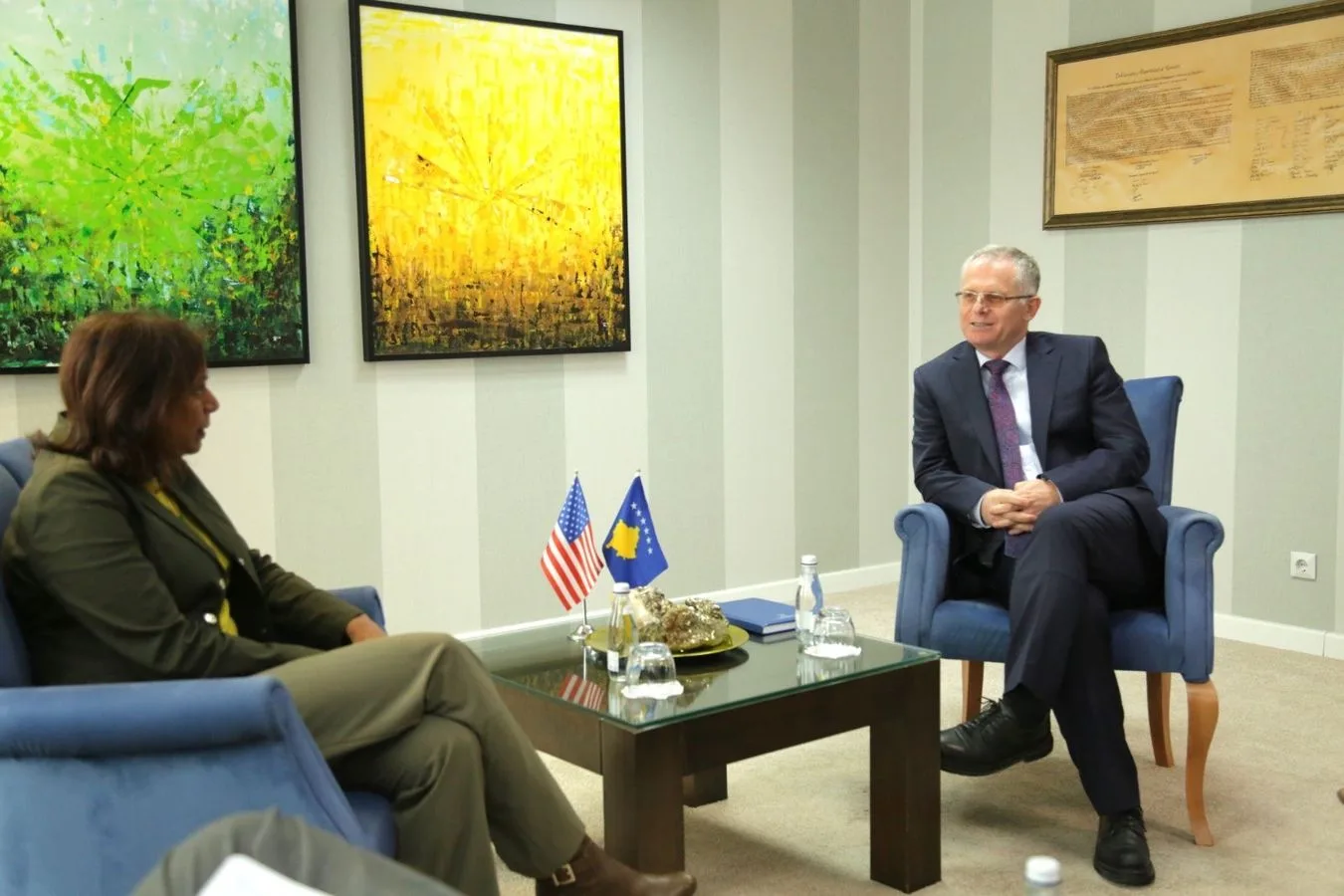
This statement underscores the significant hurdles facing the Balkan nation as it seeks to integrate into Western security structures. While the U.S. remains a key supporter of Kosovo's sovereignty, the internal mechanics of the alliance present a complex challenge.
The Structural Barrier
Membership in NATO requires a consensus among all existing member states, a condition that currently remains unmet. The diplomatic reality is complicated by the following factors:
- Non-Recognition: Five NATO member states—Spain, Greece, Romania, Slovakia, and Cyprus—do not formally recognize Kosovo’s independence.
- Unanimous Approval: The requirement for total agreement means that any single member can veto the accession process, making progress on this front highly unlikely without a fundamental shift in the diplomatic positions of these specific nations.
- Strategic Focus: Current U.S. and NATO policy, as highlighted by recent discussions between Secretary Rubio and NATO Secretary General Mark Rutte, remains focused on maintaining regional stability via the KFOR mission and facilitating the Belgrade-Pristina dialogue.
"At this stage, the admission of Kosovo to the North Atlantic Alliance is not an issue that is expected to advance in the immediate future," noted Secretary Rubio during the hearing.
Regional Implications
Legislators in the United States have expressed bipartisan concerns regarding security in the Western Balkans. Many lawmakers emphasize that while regional integration is a long-term goal, the current priority is preventing any actions that could destabilize the security environment or undermine the ongoing normalization talks between Kosovo and Serbia.