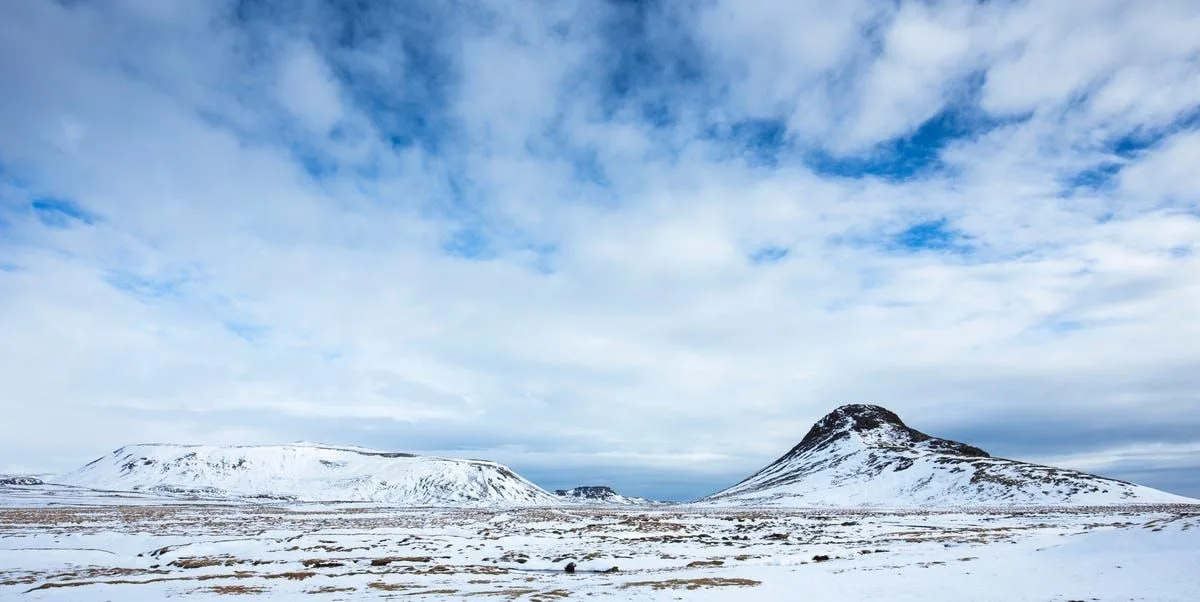
For centuries, Iceland held a unique status as the only Arctic nation entirely free of mosquitoes. However, as of June 2026, entomologists have confirmed that the island nation is no longer a mosquito-free zone.
The arrival of these insects is being viewed by the scientific community as a stark, tangible indicator of the biological consequences of global climate change. Rising temperatures in the Arctic region have created more hospitable environments, allowing cold-tolerant species to survive in areas that were previously too harsh for their life cycles.
Key Findings:
- Climate Impact: Increased average temperatures and extended frost-free periods have directly enabled the colonization.
- Ecological Shift: This marks a significant change in the island's ecosystem, as it was previously protected by its isolated geography and sub-Arctic climate.
Researchers are currently monitoring the spread of these populations to better understand the long-term implications for Iceland's environment. While the presence of mosquitoes is a common reality elsewhere, their arrival in Iceland serves as a clear warning about the pace of ecological shifts driven by a warming planet.