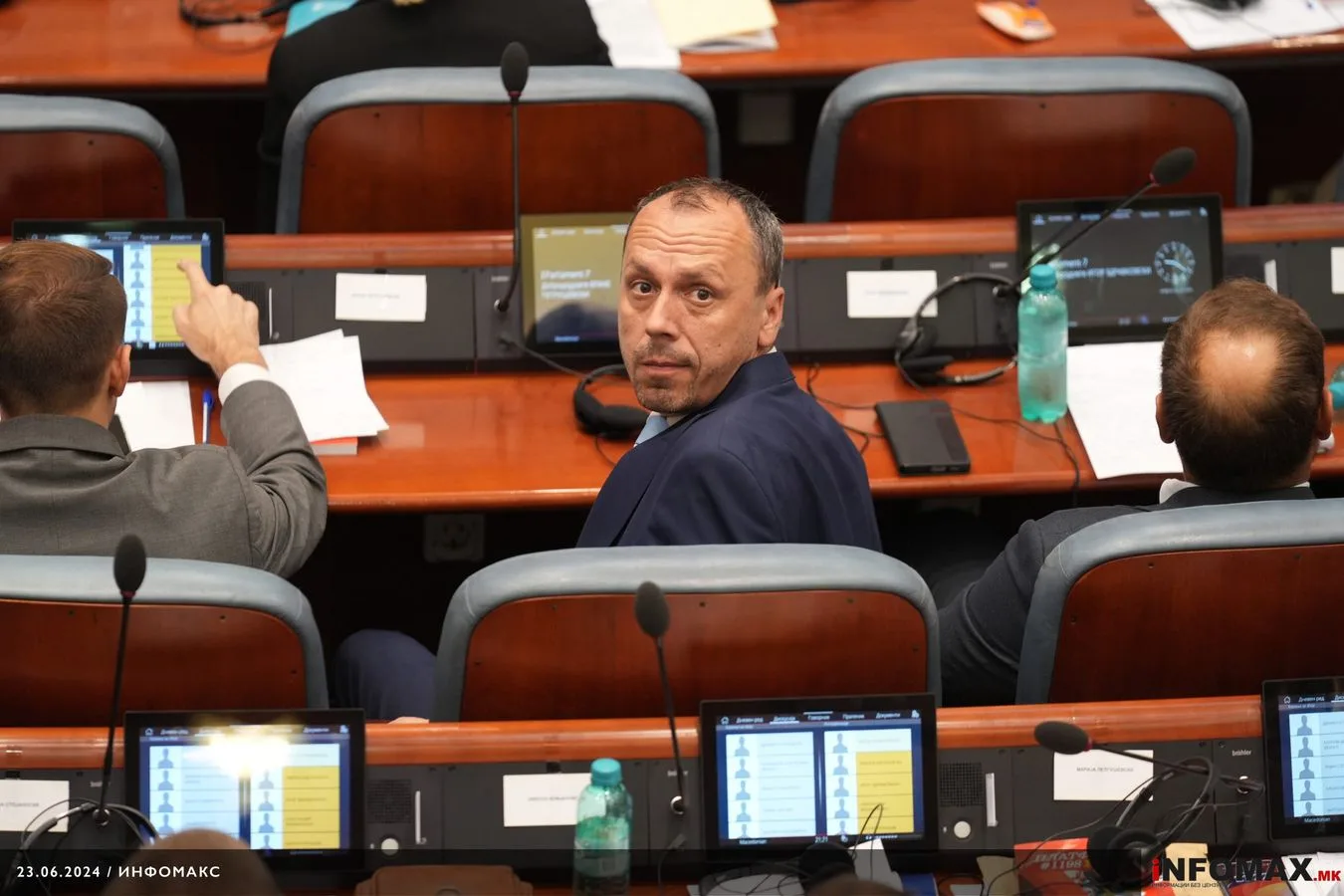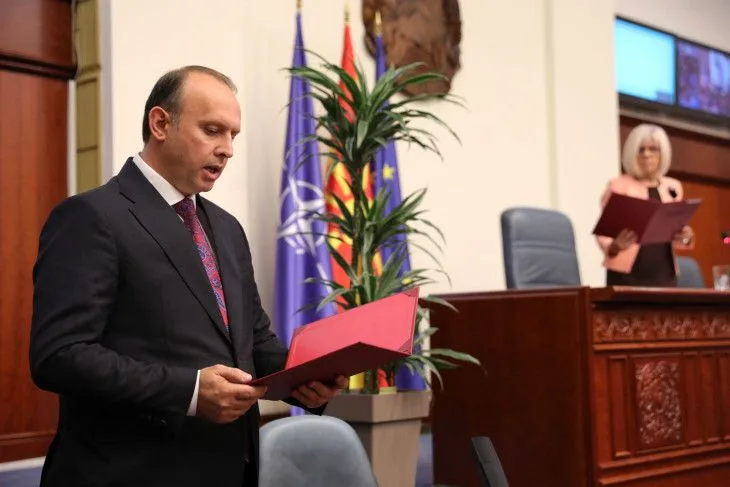
The Speaker of the Assembly of North Macedonia, Afrim Gashi, has reignited the national debate over linguistic parity, asserting that the Albanian language has yet to achieve a status of functional equality with the Macedonian language. His comments come amid ongoing friction regarding the implementation of the Law on the Use of Languages.
Core Concerns
During his recent address, Gashi highlighted that while the constitutional framework provides for the use of languages spoken by at least 20% of the population, the daily reality in state institutions tells a different story. Key issues identified include:
- Institutional Resistance: Persistent refusal by various state bodies to conduct administrative processes, such as bar exams, in the Albanian language.
- Implementation Gaps: Inconsistent application of the law across different ministries, leading to a fragmented experience for Albanian-speaking citizens.
- Functional Inequality: A lack of resources and political will to ensure that all public services are truly bilingual, as envisioned by the Ohrid Framework Agreement.
"The current state of language use does not reflect a level of genuine, functional equality. We see persistent institutional barriers that prevent Albanian from being treated with the same weight as Macedonian in our public and judicial spheres," stated Gashi.
Political Context
The status of the Albanian language remains one of the most sensitive topics in North Macedonian politics. Since the adoption of the Law on the Use of Languages, the country has navigated complex challenges in integrating bilingualism into the judiciary, police, and general administration. While ethnic Albanian political parties continue to push for full, uninhibited use of the language, some political factions argue that current implementations already exceed constitutional mandates or create unnecessary administrative burdens. As of June 2026, the issue remains a primary point of contention in the country's legislative and public discourse.